
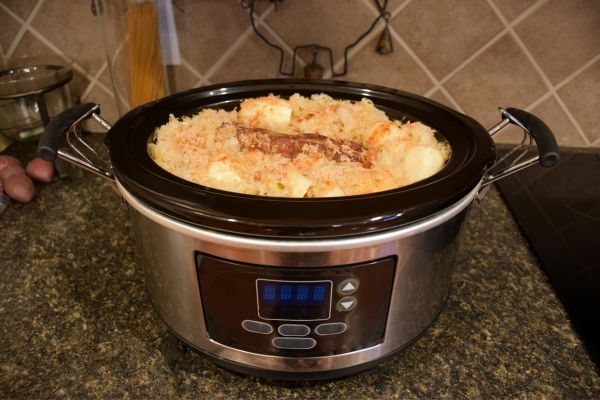
There is something quietly comforting about slow cooker recipes. They do not ask for constant attention, quick timing, or a sink full of pans. You add the ingredients, set the heat, and let time do most of the work. In a busy home, that can feel almost luxurious. Dinner begins long before anyone is hungry, and by the evening, the kitchen smells like someone has been cooking with great care all day.
Slow cooking is not just about convenience, though that is certainly part of its charm. It is also about flavor. Tough cuts of meat soften, beans become creamy, vegetables melt gently into sauces, and spices have hours to deepen and settle. The result is food that feels warm, generous, and unhurried. For many people, a slow cooker becomes less of a gadget and more of a quiet kitchen helper.
Why Slow Cooking Still Feels So Useful
Modern cooking can often feel rushed. Meals are squeezed between work, errands, school runs, and all the small tasks that fill a day. Slow cooker recipes offer a different rhythm. They allow you to prepare food when you have a little time, instead of trying to cook everything at the busiest hour.
This is especially helpful for families, people working long days, or anyone who wants homemade meals without standing over the stove every evening. A slow cooker can turn simple ingredients into something satisfying while you get on with the rest of life.
There is also a practical side. Slow cookers are well suited to affordable ingredients such as dried beans, lentils, root vegetables, chicken thighs, stewing beef, and pantry staples. These foods often need time to become their best, and the slow cooker gives them exactly that.
The Secret to Better Slow Cooker Flavor
A common mistake with slow cooking is assuming everything can simply be thrown in and forgotten. Sometimes that works, but a little thought at the beginning can make the final dish much better.
Layering flavor matters. Onions, garlic, herbs, spices, stock, tomatoes, and aromatics all help create depth. Browning meat before adding it to the slow cooker is not always necessary, but it can make a noticeable difference in stews, roasts, and rich sauces. Toasting spices briefly before adding them can also bring out their warmth.
Liquid is another important detail. Slow cookers trap moisture, so dishes usually need less liquid than stovetop recipes. Too much liquid can leave soups thin or sauces watery. It is better to start with a modest amount and thicken later if needed. A spoonful of tomato paste, a splash of vinegar, or a squeeze of lemon at the end can brighten a dish that tastes a little flat.
Comforting Slow Cooker Soups and Stews
Soups and stews are where slow cookers truly shine. They suit the gentle heat beautifully, especially when the ingredients benefit from long cooking. A beef and vegetable stew, for example, becomes richer as the meat softens and the vegetables release their sweetness into the broth.
Chicken soup is another classic. Bone-in chicken pieces, carrots, celery, onion, garlic, herbs, and stock can simmer slowly until the meat becomes tender and the broth tastes full. Near the end, noodles, rice, or barley can be added depending on the texture you want.
Lentil soup is also a favorite for slow cooking. Lentils absorb flavor well and create a hearty meal without much effort. Add carrots, tomatoes, cumin, paprika, garlic, and a good stock, then let everything cook until soft and comforting. Finish with fresh herbs or lemon juice to keep the flavor lively.
The beauty of these dishes is their flexibility. A slow cooker stew can welcome leftover vegetables, extra beans, or whatever herbs you already have. It does not demand perfection.
Tender Meat Dishes That Cook Themselves
Slow cookers are famous for making meat tender. This is because low, steady heat gives connective tissue time to break down, creating a soft texture that is hard to achieve quickly. Chicken thighs, beef chuck, lamb shoulder, pork shoulder, and similar cuts are all excellent choices.
A slow-cooked pulled chicken dish can be made with chicken thighs, tomatoes, onions, garlic, smoked paprika, and a little broth. After several hours, the chicken shreds easily and can be served in wraps, over rice, with potatoes, or inside sandwiches.
For beef, a simple pot roast style meal works beautifully. Add beef, carrots, onions, potatoes, herbs, and a small amount of stock. As it cooks, the meat releases juices and the vegetables become deeply flavored. It is the kind of meal that feels old-fashioned in the best way.
Slow cooker meat dishes also make good leftovers. Shredded meat can become tacos, pasta sauce, pies, grain bowls, or quick lunches the next day. One cooking session can stretch into several meals.
Easy Vegetarian Slow Cooker Recipes
Slow cooker recipes are not only for meat-based meals. Vegetarian dishes can be just as rich and satisfying, especially when built around beans, lentils, chickpeas, grains, and vegetables.
A chickpea curry is a simple example. Chickpeas, tomatoes, onion, garlic, ginger, spices, and coconut milk can cook slowly into a creamy, fragrant dish. Add spinach or peas near the end so they stay fresh and bright. Serve it with rice, flatbread, or even roasted vegetables.
Vegetable chili is another strong slow cooker option. Beans, tomatoes, peppers, corn, onions, garlic, chili powder, cumin, and smoked paprika create a filling meal with plenty of texture. It can be topped with yogurt, herbs, avocado, or a squeeze of lime.
For something softer and more rustic, try a slow cooker vegetable casserole with potatoes, carrots, mushrooms, tomatoes, herbs, and white beans. The beans add body, while the vegetables create a naturally sweet, savory sauce. It is simple food, but it feels nourishing.
Breakfast Ideas from the Slow Cooker
The slow cooker is often thought of as a dinner tool, but it can be surprisingly useful for breakfast. Overnight oats are one of the easiest ideas. Oats, milk or a dairy-free alternative, a little cinnamon, fruit, and a pinch of salt can cook gently while you sleep. In the morning, the texture is creamy and warm.
Slow cooker breakfast casseroles are another option for weekends or family mornings. Eggs, potatoes, vegetables, cheese, and herbs can be layered and cooked until set. This kind of dish is useful when you want breakfast ready without standing at the stove.
You can also make fruit compotes in a slow cooker. Apples, pears, berries, cinnamon, and a small amount of sweetener can cook down into a soft topping for yogurt, oatmeal, pancakes, or toast. It is a lovely way to use fruit that is slightly past its best.
Slow Cooker Meals for Busy Weeknights
The best weeknight slow cooker recipes are simple, reliable, and easy to serve. They should not require too many last-minute steps. Meals like chicken curry, bean chili, lentil stew, pulled chicken, vegetable soup, and tomato-based pasta sauces all fit this style.
Preparation can often be done the night before. Chop vegetables, measure spices, and keep everything ready in the fridge. In the morning, add the ingredients to the slow cooker and turn it on. By evening, most of the work is already done.
For even easier meals, keep serving options simple. Rice, bread, baked potatoes, pasta, couscous, or salad can quickly complete a slow-cooked dish. A rich stew does not need much around it. Sometimes a slice of bread and a little fresh garnish are enough.
Getting the Texture Right
Texture is one of the few challenges with slow cooking. Because ingredients cook for a long time, some foods can become too soft if added too early. Delicate vegetables, pasta, seafood, dairy, and fresh herbs usually do better near the end of cooking.
Root vegetables, onions, dried beans, lentils, and tougher meats can handle long cooking. Softer vegetables like zucchini, peas, spinach, and bell peppers may need less time. Pasta and rice can become mushy if cooked too long, so many cooks prefer to prepare them separately or add them during the final stage.
Dairy can also split or become grainy after hours of heat. Cream, yogurt, and cheese are usually better stirred in toward the end. This keeps the texture smoother and the flavor fresher.
Small Habits That Make Slow Cooker Recipes Better
A slow cooker rewards simple kitchen habits. Cut ingredients into similar sizes so they cook evenly. Avoid lifting the lid too often, because each peek releases heat and slows the cooking. Taste near the end and adjust seasoning before serving.
It also helps to use the right setting. Low heat is usually best for all-day cooking and tender results. High heat works when time is shorter, but some dishes taste better when cooked more gently. Every slow cooker is slightly different, so it may take a little practice to understand how yours behaves.
Do not forget freshness at the end. Slow-cooked food can taste deep and rich, but it sometimes needs contrast. Fresh herbs, citrus juice, vinegar, chili flakes, yogurt, pickled onions, or crunchy toppings can bring balance. That final touch can turn a good dish into one that feels complete.
Cooking More, Wasting Less
Slow cooker recipes can also help reduce food waste. They are forgiving enough to use vegetables that are no longer perfect for salads but still good for cooking. Slightly soft carrots, celery, onions, potatoes, and tomatoes can all find a place in soups, stews, sauces, and casseroles.
Leftovers are easy to repurpose too. A slow-cooked tomato sauce can become a pasta meal one night and a baked dish the next. Bean chili can be served with rice, spooned over potatoes, or wrapped in flatbread. Soup can be frozen in portions for future lunches.
In this way, slow cooking supports a more thoughtful kitchen. It makes food stretch further without making meals feel repetitive.
A More Relaxed Way to Cook
Slow cooker recipes have remained popular because they solve a very real problem: people want homemade food, but they do not always have the time or energy to cook from scratch at the end of the day. A slow cooker meets that need gently. It does not rush. It does not demand constant attention. It turns everyday ingredients into meals that feel steady and comforting.
The best part is that slow cooking invites a more relaxed relationship with food. You can be practical and still make something delicious. You can cook affordably and still enjoy deep flavor. You can prepare dinner in the morning and come back later to a kitchen that smells warm and welcoming.
In the end, slow cooking is not only about setting and forgetting. It is about creating meals that fit real life. With a little planning, a few dependable ingredients, and some patience, slow cooker recipes can bring ease, comfort, and quiet satisfaction back into everyday cooking.