
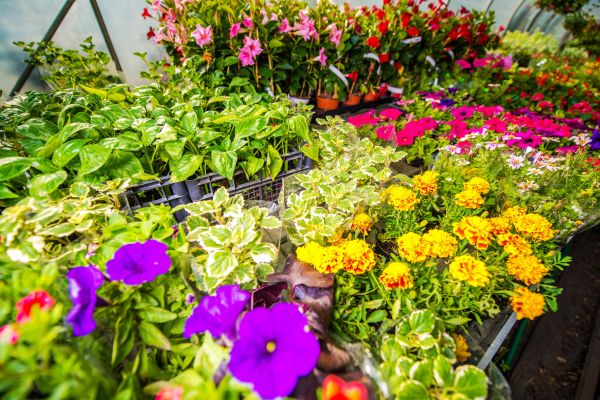
A garden changes its mood with the seasons. In spring, it feels fresh and hopeful, full of soft color and new growth. Summer brings brighter blooms, taller stems, and the kind of abundance that makes even a small flower bed feel generous. Autumn has its own warmth, with deeper tones and flowers that seem to glow in lower light. Even winter, quiet as it is, offers structure, fragrance, and the promise of what is waiting underground.
A thoughtful seasonal flower planting guide helps you work with these natural rhythms instead of fighting them. Rather than planting everything at once and hoping for the best, you begin to think of the garden as a living calendar. Each season has flowers that suit its light, temperature, and soil conditions. When you understand that pattern, your garden becomes easier to manage and much more rewarding to watch.
Understanding Seasonal Planting
Seasonal planting is about choosing flowers that grow well during a particular time of year. Some flowers love cool weather and fade when heat arrives. Others need warm soil and long sunny days before they really begin to thrive. A few are tough enough to handle changing conditions, but even those perform better when planted at the right time.
This does not mean you need a complicated plan. In fact, the best flower gardens often begin with simple observation. Notice when your local weather starts warming up, when frost usually ends, how hot your summers become, and how long autumn stays mild. These small details matter more than any perfect gardening rule.
Soil also plays a role. Flowers need healthy, loose soil with enough organic matter to hold moisture without becoming soggy. Before each planting season, it helps to remove old roots, loosen compacted areas, and mix in compost. This gives new plants a better start and keeps the flower bed active from one season to the next.
Spring Flowers for Fresh Color
Spring is the season most people associate with flowers, and for good reason. After a dull winter, even a few small blooms can change the whole feeling of a garden. Cool-season flowers do especially well in spring because the weather is gentle and the soil still holds moisture.
Pansies, violas, primroses, snapdragons, sweet peas, tulips, daffodils, hyacinths, and ranunculus are all popular choices for spring planting or spring display. Some, like tulips and daffodils, are usually planted as bulbs in autumn so they can bloom when spring arrives. Others can be planted as young seedlings once the worst cold has passed.
Spring is also a good time to start annual flowers from seed. Marigolds, cosmos, zinnias, and sunflowers can be started indoors or directly in the ground once the soil warms. Even if they do not bloom immediately, planting them in spring prepares your garden for a colorful summer.
The main challenge in spring is patience. A warm afternoon can make it tempting to plant everything early, but cold nights can still damage tender flowers. If you are unsure, wait until the weather feels steady. A slightly later planting often grows faster and healthier than one rushed into cold soil.
Summer Flowers That Handle Heat
Summer flowers need strength. They face strong sun, dry spells, and sometimes heavy rain followed by intense heat. The best choices are flowers that can keep blooming even when the garden starts to feel a little tired.
Zinnias are a classic summer favorite because they are cheerful, reliable, and available in many colors. Marigolds bring bright orange, yellow, and gold tones, while cosmos add a softer, airy look. Petunias, vincas, portulacas, celosia, salvias, and sunflowers also thrive in warm conditions. In many gardens, these flowers become the main display of the year.
Watering becomes especially important in summer, but more water is not always better. Deep, less frequent watering encourages roots to grow downward, making plants stronger during hot days. Shallow daily watering can keep roots near the surface, where they dry out quickly.
Mulch is another quiet helper. A layer of mulch around flowers keeps the soil cooler, reduces weeds, and slows moisture loss. It also gives beds a neater appearance without making them look overly formal.
Deadheading, or removing faded flowers, helps many summer plants keep producing new blooms. It may seem like a small task, but it can extend the flowering season by several weeks. A few minutes in the evening, snipping off tired blooms, can make the whole garden look fresh again.
Autumn Flowers for Warmth and Depth
Autumn planting has a different kind of beauty. The light becomes softer, the air cools, and flower colors often appear richer. This is the season for deeper shades, textured petals, and plants that can handle cooler nights.
Chrysanthemums are perhaps the most familiar autumn flowers, offering dense color in shades of yellow, burgundy, bronze, white, and purple. Asters bring a more delicate look and attract late-season pollinators. Calendula, pansies, ornamental kale, snapdragons, and dianthus can also perform well in autumn, especially in mild climates.
Autumn is also the time to think ahead. Many spring-blooming bulbs should be planted in fall, before the ground becomes too cold. Tulips, daffodils, crocuses, and hyacinths need that cool resting period underground before they wake up in spring. It feels strange at first, planting something you will not see for months, but that is part of the pleasure. Gardening often rewards the person who remembers the future.
As summer flowers fade, remove weak or diseased plants and refresh the soil. You do not need to clear everything at once. Some seed heads and dry stems can add texture, especially in a natural-style garden. But cleaning overcrowded areas helps prevent pests and gives autumn flowers room to breathe.
Winter Flowers and Quiet Garden Beauty
Winter may seem like an empty season, but it does not have to be lifeless. In mild regions, flowers such as pansies, violas, cyclamen, calendula, hellebores, and certain types of primrose can bring color to cooler months. In colder climates, winter gardening often focuses more on structure, evergreen foliage, berries, and planning for the next bloom cycle.
Hellebores are especially valued because they flower when little else is happening. Their muted shades of cream, pink, green, and purple suit the quiet mood of winter. Pansies and violas can also survive chilly weather and brighten containers near doors, patios, or windows.
Winter is also a useful season for reflection. With fewer blooms demanding attention, you can see the bones of the garden more clearly. You may notice where a border needs height, where a path feels bare, or where spring bulbs would make the biggest impact. A good seasonal flower planting guide is not only about planting; it is also about watching and adjusting.
Matching Flowers to Your Climate
No planting guide can ignore climate. A flower that thrives in one region may struggle badly in another. Heat, humidity, frost, rainfall, and wind all influence what will grow well.
If your area has hot summers, choose heat-tolerant flowers and avoid planting delicate cool-season varieties too late. If your winters are harsh, focus on hardy perennials, spring bulbs, and annuals that can complete their life cycle during warmer months. In mild climates, you may be able to grow flowers almost year-round, but timing still matters.
Sunlight is just as important. Most flowering plants need several hours of direct sun, but not all of them enjoy harsh afternoon heat. Shade-loving flowers such as impatiens, begonias, and some primroses can brighten areas where sun-loving plants would wilt. Before planting, spend a day noticing how light moves across your garden. It is one of the simplest ways to avoid disappointment.
Creating Continuous Blooms
The most beautiful gardens usually do not bloom all at once. They unfold. One group of flowers fades as another begins, creating a steady rhythm across the year. To achieve this, mix annuals, perennials, bulbs, and seasonal container plants.
Annuals give quick color and are useful for filling gaps. Perennials return year after year, becoming the steady backbone of the garden. Bulbs create seasonal surprises, especially in spring. Containers allow you to change flowers easily as the weather shifts.
Color planning can be simple. You might choose soft pastels for spring, bright colors for summer, warm tones for autumn, and whites or deep purples for winter. Or you may prefer a looser, cottage-style mix where flowers overlap naturally. There is no single correct style. The best garden is the one that feels alive to you.
Caring for Flowers Through the Seasons
Good care changes slightly with the season, but the basics remain the same. Flowers need suitable soil, enough light, proper watering, and regular attention. They also need space. Crowded plants may look full at first, but poor airflow can lead to disease and weaker blooms.
Feeding should be gentle and appropriate. Too much fertilizer can create lots of leafy growth with fewer flowers. Compost, balanced plant food, and healthy soil habits often work better than trying to force constant blooming.
Watch your plants closely. Wilting, yellow leaves, weak stems, or fewer flowers can signal a problem with water, light, nutrients, or pests. The earlier you notice, the easier it is to correct. Gardening is not about perfection. It is more like an ongoing conversation with the weather, the soil, and the plants themselves.
Conclusion
A seasonal flower planting guide gives your garden a natural sense of timing. Spring brings freshness, summer offers abundance, autumn adds warmth, and winter gives space for quiet beauty and planning. When you plant with the seasons instead of against them, flowers grow stronger and the garden feels more balanced.
The real joy is in noticing the changes. A bulb pushing through cool soil, a summer zinnia opening in full sun, an autumn chrysanthemum glowing near the path, a winter pansy holding its color through cold air. Each season has something to offer. With a little planning and steady care, your garden can carry beauty from one part of the year into the next.