
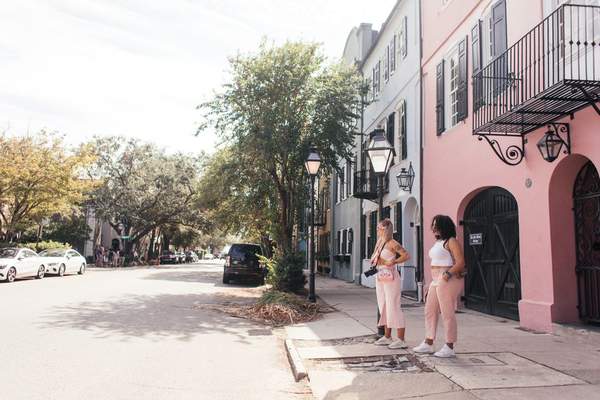
Charleston rewards travelers who look beyond its pastel houses. South Carolina’s coastal city mixes walkable streets, harbor views, Lowcountry cooking, and history that is both beautiful and complicated. A morning might begin with shrimp and grits, continue through centuries-old neighborhoods, and end beside the water. The trick is choosing the right season and leaving enough room to explore without rushing.
This Charleston, South Carolina travel guide focuses on the attractions worth prioritizing, the realities of local weather, and a simple way to organize your first visit.
Best Time to Visit Charleston, South Carolina
Spring: Comfortable Walks and Blooming Gardens
March through May is a strong choice for sightseeing. Temperatures generally become warmer without the sustained midsummer heat, and gardens and residential streets show off spring color. It is also a popular travel period, so expect competition for central hotels and restaurant reservations, particularly around weekends and major events.
Fall: Pleasant Weather With a Storm-Season Caveat
October and November often offer comfortable conditions for walking the Charleston historic district. Early fall can still feel summery, however. Atlantic hurricane season officially runs from June 1 through November 30, and tropical activity is historically most concentrated from mid-August into mid-October. Check forecasts and consider flexible bookings during that window.
Summer and Winter: Different Trade-Offs
June through August brings heat, humidity, and frequent afternoon showers. Summer can work for beach-focused trips, but schedule outdoor Charleston attractions early and plan an air-conditioned museum or lunch break after midday. December through February is typically cooler and quieter, with occasional chilly or rainy days.
Charleston Attractions Worth Building Your Trip Around
Walk the Historic District, Not Just Its Famous Blocks
Start around Broad Street and wander south toward the waterfront. Charleston’s architecture is best appreciated slowly: look for side porches, ironwork, churches, and narrow gardens rather than treating every street as a photo stop. Many beautiful houses are private residences, so admire them from public sidewalks and respect gates and signs.
Rainbow Row, the pastel-painted houses on East Bay Street, is a favorite short stop. Continue to The Battery and White Point Garden for harbor views and shaded paths. In warm months, visiting before breakfast or near sunset makes this walk much more comfortable.
Charleston City Market and Waterfront Park
The historic City Market is useful for browsing handmade goods and learning about the region’s sweetgrass basket tradition, associated with Gullah Geechee artisans. Take time to appreciate the skill behind the baskets rather than assuming every souvenir is locally made. Nearby, Joe Riley Waterfront Park offers a breezy pause and the recognizable Pineapple Fountain.
Fort Sumter and the Harbor
Fort Sumter, where the opening shots of the American Civil War were fired in 1861, adds essential context to the city’s history. The fort sits in Charleston Harbor and requires an authorized ferry ticket. Ferries depart from Liberty Square downtown or Patriots Point in Mount Pleasant; schedules and sailing conditions can change, so book through the official operator and allow time for boarding.
International African American Museum
Charleston’s story cannot be told through elegant homes alone. The International African American Museum, near the historic Gadsden’s Wharf site, explores the experiences and contributions of African Americans, including the profound legacy of enslavement. Its African Ancestors Memorial Garden is publicly accessible. Give the galleries substantial time instead of squeezing them between quick sightseeing stops.
Explore Beyond the Peninsula
For an additional day, choose one direction rather than attempting everything. Sullivan’s Island combines a coastal setting with Fort Moultrie’s military history. Folly Beach offers a more relaxed beach-town atmosphere. On Johns Island, Angel Oak is an extraordinary live oak worth seeing if you have a car.
What to Eat in Charleston
Food is a compelling reason for visiting Charleston SC. Lowcountry cooking reflects local seafood, rice traditions, and the influence of African and Gullah Geechee foodways. Try shrimp and grits, she-crab soup, seasonal oysters, or a thoughtfully prepared rice dish.
Reserve one special dinner in advance, then leave another meal open for a neighborhood café or lunch counter. Ask what is local and in season. If a restaurant describes a dish as traditional, that can be a starting point for learning about its history, not proof that every version is authentic.
A Practical Two-Day Charleston Itinerary
Day One: Streets, Waterfront, and Food
Begin with breakfast downtown, then explore Broad Street, Rainbow Row, The Battery, and White Point Garden while the air is cooler. Return north for lunch, browse City Market, and rest at Waterfront Park. In the evening, stroll King Street before dinner. This route keeps much of the day on the peninsula and minimizes unnecessary driving.
Day Two: Choose a Deeper Experience
Spend the morning at the International African American Museum or take the Fort Sumter ferry, depending on your interests and the sailing schedule. Use the afternoon for another museum, a historic house tour, or a beach excursion if transportation is arranged. Avoid stacking both major museum visits and an offshore ferry into an overpacked morning.
Where to Stay and How to Get Around
Staying near the historic district makes early walks and evenings easier, but central hotels can cost more, especially in spring. Accommodations farther north on the peninsula or across the bridge may offer different price points, though they add transportation time. Check whether your hotel charges separately for parking.
Downtown is reasonably walkable, but sidewalks can be uneven and distances add up in humid weather. CARTA’s free Downtown Area Shuttle, called DASH, serves major peninsula destinations; review current routes and service alerts before relying on it. If driving, use marked parking garages and check posted rates rather than expecting abundant free street parking.
For more regional travel ideas, pair your visit with a South Carolina coastal road trip, or compare Charleston with other historic Southern cities before choosing a longer itinerary.
Frequently Asked Questions
What is the best month to visit Charleston?
April and November are appealing for many travelers because walking conditions are often more pleasant than in midsummer. April can be busy; November generally feels cooler. Your ideal month depends on whether you prioritize gardens, beaches, or lower crowds.
How many days do you need in Charleston?
Two full days cover several central highlights. Three or four days allow a more relaxed pace, museums, a harbor trip, and time for nearby beaches without sacrificing long meals or spontaneous stops.
Is Charleston too hot in July?
July is typically hot and humid, but a visit is manageable with early walking, shade, plenty of water, and indoor breaks. Travelers sensitive to heat will generally prefer spring or late fall.
Do you need a car in Charleston?
Not for a trip focused on the historic peninsula. Walking, DASH, and rideshares can cover many downtown needs. A car becomes more useful for beach trips and destinations such as Angel Oak.
Final Thoughts
Charleston is most memorable when its food, waterfront, architecture, and full historical story share the spotlight. Pick a season that suits your tolerance for heat, reserve the time-sensitive experiences, and leave space to wander. The city offers plenty to see without needing to see everything.