
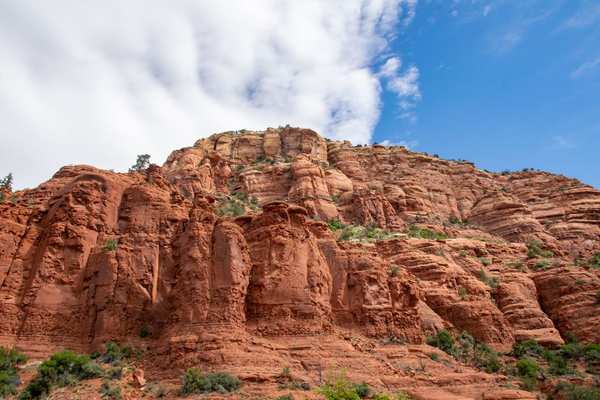
Sedona looks spectacular in photographs, but the calendar can decide whether you enjoy the view or spend your hike searching for shade. Its sandstone cliffs glow differently as the sun moves, and temperatures can swing sharply between dawn and afternoon. For most travelers, the best time to visit Sedona, Arizona, is April or October: both offer comfortable opportunities for hiking and beautiful light on the red rocks.
When Is Sedona at Its Best?
March through May and September through November are generally the most appealing periods for outdoor exploring. April and October offer especially useful balances of daytime comfort and scenic conditions. They are also popular, so expect busy trailheads and higher demand for lodging during peak weeks. If your schedule is flexible, consider a weekday visit and start your hikes early. Sedona weather is never guaranteed, even during these favored months, so check the forecast shortly before setting out.
Spring: Comfortable Trails and Clearer Morning Light
March and April are excellent for Sedona hiking. Days become pleasantly warm while mornings can still feel chilly, especially in exposed or shaded canyons. Spring wildflowers sometimes add small splashes of color against the orange earth. By May, afternoons can become much warmer, making longer, unshaded routes less forgiving.
For photography, spring rewards an early alarm. Cooler air makes it easier to reach a viewpoint before crowds build, and low-angle sunlight brings texture to layered rock faces. Spring break can be busy, however. Check access arrangements in advance and keep a backup trail in mind.
Fall: Golden Rock, Crisp Air, and Canyon Color
October is arguably the strongest all-around month for visiting Sedona. Summer’s more punishing heat usually eases, and the lower sun can give the sandstone a rich, warm appearance. November brings cooler days and colder mornings, but it can be rewarding for travelers who prefer walking in a jacket to hiking in hot sunshine.
Fall adds another photography opportunity: changing leaves along Oak Creek Canyon. Color typically develops in the upper canyon before reaching lower elevations, with timing varying by year and weather. October is no secret, though; reserve accommodation early if your dates are fixed.
The Best Light for Photographing Sedona’s Red Rocks
Sunrise: Soft Colors and a Quieter Start
The first hour after sunrise often produces gentle shadows and warm highlights that reveal the formations’ curves without washing out their detail. Bell Rock and the surrounding landscape can make rewarding early-morning subjects. Scout your intended viewpoint in daylight beforehand, because the direction of the light changes dramatically with the angle you face. Arrive with enough time to set up safely rather than rushing over unfamiliar rock in darkness.
Late Afternoon: Warm Texture Without Midday Glare
In the hour before sunset, sunlight can deepen the rust-red tones of Sedona’s cliffs. Cathedral Rock is a recognizable photographic subject, including from viewpoints around Red Rock Crossing. Remember that a sunset-facing viewpoint does not automatically mean the rock itself will be illuminated: check the sun’s direction for your composition.
A slower itinerary also gives you room for an unexpected change in weather or parking.
Summer: Beautiful Skies, Serious Heat
June through August is generally the hardest period for long, exposed hikes. Afternoon temperatures commonly climb into the 90s Fahrenheit and can approach or exceed 100°F. Sedona sits above Phoenix, but its elevation does not remove the risk of heat illness. Carry ample water, choose short routes where appropriate, and finish strenuous outdoor activity early.
Northern Arizona’s official monsoon season runs from June 15 through September 30, although the summer storm pattern often becomes established in July. Thunderstorms may bring dramatic clouds, lightning, and flash flooding. Never stay on exposed rock to capture a storm photograph, and avoid washes or narrow drainages when storms threaten, even if rain is falling somewhere else.
Winter: Fewer Visitors and Occasional Snow-Dusted Views
December through February can be appealing if you want quieter scenery and don’t mind cold starts. Daytime temperatures are often manageable with layers, but nights may drop below freezing. Light snow can briefly transform the Sedona red rocks into a striking red-and-white landscape. It isn’t something you can reliably schedule, and icy patches may linger on shaded trails. Winter photography often benefits from clear air and a gentler midday sun; check trail conditions before venturing onto slickrock.
Choose Your Month Around the Trip You Want
For longer hikes, choose March, April, October, or November, adjusting your route for the actual forecast. May and September can suit early starters, though afternoons may remain hot. For autumn foliage, look toward late October or early November in Oak Creek Canyon rather than expecting every tree to change at once. For a less crowded atmosphere, winter weekdays are worth considering, provided you pack for freezing mornings.
If Sedona is one stop on a longer trip, an itinerary built around Arizona scenic drives can pair well with a morning hike. Travelers planning a broader getaway may also enjoy exploring small towns in Arizona, while photographers can add a dedicated guide to desert landscape photography to their trip research.
Plan the Trail Before You Plan the Photo
Popular access points have special logistics. Sedona Shuttle serves several trailheads, including Cathedral Rock and Soldier Pass, and parking restrictions apply when certain shuttle routes operate. Check its current schedule rather than assuming you can drive to the trailhead. Some recreation sites also require a parking pass or fee.
For a realistic April day, start with a short Bell Rock-area walk after sunrise, take a midday break, then visit a designated Cathedral Rock viewpoint when late light improves. If you want to hike Cathedral Rock itself, assess the steep, rocky terrain and current access rules separately; it isn’t just a casual photo stop. Wear grippy shoes, bring layers and water, and stay on established trails to protect fragile desert vegetation.
Frequently Asked Questions
What is the single best month to visit Sedona?
October is an excellent overall choice for comfortable hiking temperatures, warm afternoon light, and the possibility of autumn color in nearby Oak Creek Canyon. April is a close alternative, especially if you prefer spring scenery.
When should I avoid hiking in Sedona?
Avoid strenuous, exposed midday hikes during summer heat. Also postpone hikes on exposed ridges or in flood-prone areas when thunderstorms threaten. Conditions matter more than the date on your calendar.
Is sunrise or sunset better for Sedona photography?
Both can be superb. Sunrise often offers cooler conditions and fewer people; sunset gives many formations rich, angled light. Choose a viewpoint based on where the sun will fall relative to the rock you want to photograph.
Does Sedona get snow in winter?
Yes, occasional snow can dust the red rocks, although snow-covered landscapes are not guaranteed. Cold nights and shaded ice are more dependable reasons to pack warm layers and monitor trail conditions.
Final Thoughts
For a trip centered on red rock views and enjoyable trails, aim for April or October, then organize each day around the light rather than a long checklist of sights. Spring brings fresh scenery, fall adds canyon color, winter offers quieter moments, and summer demands extra caution. The most memorable Sedona photographs usually come when you’ve left enough time to appreciate the place beyond the camera.