
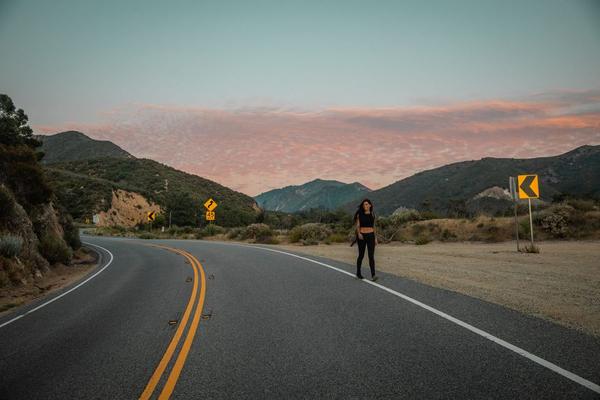
Solo travel across the United States can feel wonderfully freeing: you choose the route, pace, and detours. That same independence also means you make every safety decision. The goal is to build habits that reduce avoidable risk while leaving room for spontaneity.
The most useful solo travel safety tips for the USA are practical. Think about where you will arrive after dark, who knows your plans, how you will get back to your accommodation, and how quickly you can get help if something changes.
Plan Around the Moments When You Are Most Vulnerable
Safety planning matters most during transitions: arriving in an unfamiliar city, leaving a station late at night, driving a rural stretch, or starting a hike alone. These are moments when you may be tired, distracted, or carrying luggage.
Before each travel day, know your first destination, your transport option, and a backup. Save your hotel or rental address somewhere that does not depend on an internet connection. If you expect to arrive late, check the route from the airport or station beforehand.
For example, if your train reaches downtown at 11:15 p.m., it is safer and easier to already know which exit to use, where the official pickup area is, and what your hotel entrance looks like than to work it out on the pavement with your bags beside you.
Share Your Itinerary Without Broadcasting It
Traveling alone safely does not require minute-by-minute updates. It does help if a trusted person knows your accommodation, major transport details, and any outdoor activity where you may be out of contact for hours.
Agree on a simple check-in routine. For a city break, that might mean one message in the evening. For a remote hike or long drive, give a more specific expected return time. Avoid posting your exact location publicly in real time, especially when it shows you are alone.
Choose Accommodation for Location, Not Just Price
A cheap room can become poor value if it leaves you with an uncomfortable late-night walk. Check the surrounding streets, nearby transit, recent guest comments about the immediate area, reception hours, and how you will enter after dark.
Once you check in, avoid saying your room number loudly in public areas. Use the available room locks, and if someone unexpectedly claims to be hotel staff, verify the visit with reception before opening the door.
Use Transport With a Backup Plan
Solo trip safety often comes down to transportation choices. In large cities, public transit may be easiest; elsewhere, a car may be essential. The best option varies by neighborhood, time of day, and your comfort level.
When using a rideshare, confirm that the vehicle and driver details match the booking before getting in. With taxis, use established stands or services recommended by an airport, station, hotel, or venue. If you are driving, refuel before long rural stretches and keep valuables out of sight when parked.
Do Not Make Your Phone Your Entire Safety Plan
Your phone may hold maps, tickets, hotel details, and emergency contacts. Start with a charged battery, carry a power bank when practical, and save key information offline. Keep a separate record of important numbers and accommodation details.
In an immediate emergency in the United States, 911 is the standard emergency number. For severe weather and local hazards, follow official alerts. The National Weather Service issues official weather warnings, while FEMA provides preparedness and emergency-alert resources.
Adjust Your Precautions to the Place
The USA is too varied for one set of assumptions. Solo travel precautions in Manhattan are different from those needed in a desert national park or on a rural road trip.
Research the neighborhood you are actually visiting rather than treating an entire city as either safe or unsafe. Even places regularly described as safe solo travel destinations can have poorly lit blocks, isolated transit stops, dangerous weather, or areas where extra caution makes sense after dark.
During the day, learn a few visual landmarks so you are not constantly staring at your map. At night, favor busier, well-lit routes even if they add a few minutes. If a street, station, parking area, or interaction makes you uncomfortable, changing your plan is a reasonable response.
Be Conservative With Alcohol and New Acquaintances
Meeting people is part of solo travel, but your judgment is also part of your safety equipment. Watch your drink, know how you are getting back, and stay aware of your surroundings.
You do not need to tell a stranger exactly where you are staying or that nobody expects you back. If you meet someone new and decide to spend more time together, choose a public place and let a trusted person know where you are going.
Take Outdoor Safety Seriously
National parks can be highlights of a solo trip, but they require different preparation from city sightseeing. The National Park Service recommends planning ahead, knowing your limits, checking conditions, carrying appropriate essentials, and leaving a trip plan with a trusted contact. Mobile service can be unavailable.
If you hike alone, choose a route that fits your experience and the conditions. Check the park’s official information before leaving, carry enough water and suitable layers, and set a turnaround time. Weather, heat, altitude, wildlife, snow, and distance from medical help can quickly change the risk of an outing.
Protect Your Money and Identification
Do not keep every payment method, all your cash, and your identification in the same wallet. Keep one backup payment method in a secure separate place. Be cautious when strangers create urgency around money, transportation, tickets, or supposed fines; move to a staffed place and verify the situation independently.
Frequently Asked Questions
Is it safe to travel alone in the USA?
Many people travel alone successfully, but there is no single safety rating for the whole country. Conditions vary by location, neighborhood, transport, weather, and activity. Research each destination and adapt your plans to local conditions.
What should I do if I feel unsafe while traveling alone?
Move toward a busy, well-lit, staffed location such as a hotel lobby, open business, station desk, or security point. Change your route or transport plan, contact someone you trust, and call 911 if you face an immediate emergency.
Should I share my location with someone at home?
It can be useful, particularly for road trips, hikes, or late arrivals. Treat location sharing as one layer of your plan, not a replacement for giving someone your itinerary and expected check-in time.
Are national parks safe for solo travelers?
They can be excellent solo destinations, but remote terrain needs extra preparation. Check official park conditions, choose activities suited to your experience, carry appropriate supplies, leave a trip plan, and never assume mobile coverage will be available.
Travel With Awareness, Not Fear
Good solo travel safety is about staying one decision ahead. Know how you will arrive, how you will leave, who knows your plan, and what you will do if the original plan stops working.
Preparation, situational awareness, and flexible decision-making make solo travel more manageable. When the basics are handled, you can spend more of your attention on the reason you traveled in the first place: exploring the USA on your own terms.