
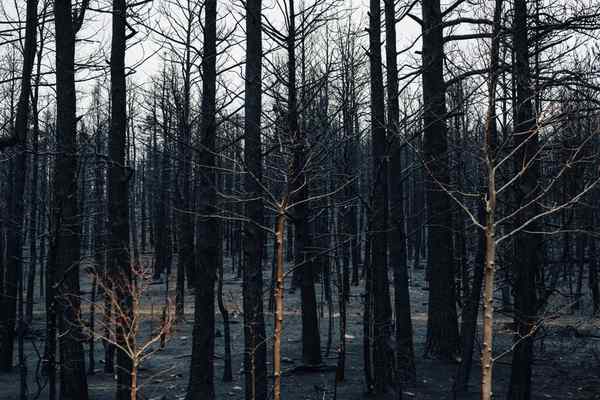
A homeowners insurance renewal used to be routine: pay the new premium and keep the policy. For households near wildfire-prone hillsides, that assumption has become less reliable. Across California, some insurers have stopped writing new business, tightened eligibility or declined to renew existing policies. The 2025 Los Angeles fires made the stakes unmistakable, while 2026 brought continuing pressure on households trying to stay insured.
Wildfire insurance non-renewal does not necessarily mean a home is unsafe or its owner made a claim. It often reflects an insurer’s changing appetite for exposure across an entire neighborhood. That distinction matters: non-renewal can trigger a hurried coverage search, higher costs and questions from a mortgage lender.
Why insurers are pulling back from wildfire zones
Home insurers collect premiums from many households to pay losses suffered by relatively few. Wildfires disrupt that balance: one wind-driven fire can damage thousands of properties within hours, generating enormous claims simultaneously. Insurers consider not only the risk at an address but how many homes they cover nearby.
Several pressures have converged. Extreme fire weather and development in fire-prone areas can increase potential losses. Rebuilding costs have risen, while reinsurance—the coverage insurers buy for catastrophes—can be expensive. Detailed wildfire models assess vegetation, topography, weather and building characteristics.
That helps explain the insurer pullback California homeowners have experienced. A property with no previous claims can still fall outside a carrier’s updated rules. Improving defensible space may strengthen resilience without guaranteeing renewal.
What a non-renewal actually means
A non-renewal means an insurer plans to let coverage end at its scheduled expiration rather than offer another term. Cancellation ends an active policy earlier. The notice should identify the end date and the reason; notice periods and protections differ by state.
A non-renewal notice homeowners receive does not mean they are immediately uninsured. Coverage normally continues until the stated expiration date if the policy remains valid and premiums are paid. But waiting until the final week can severely limit alternatives.
Also distinguish a premium increase from a refusal to renew. A policy may remain available at a different price, deductible or coverage level. Compare the entire contract rather than the monthly premium alone.
California’s temporary non-renewal protections
California has a safeguard after certain declared wildfire emergencies. Under its mandatory one-year moratorium, insurers generally cannot cancel or non-renew residential policies because of wildfire risk in designated ZIP codes within or adjacent to a fire perimeter. The clock starts with the applicable governor’s emergency declaration, not the date of a homeowner’s letter.
Following the January 2025 Southern California fires, the state issued moratorium bulletins for affected areas. Further protections followed other fires, including the December 2025 Gifford Fire and August 2026 Gann Fire. Covered ZIP codes and dates vary; no blanket statewide ban protects every wildfire-zone home.
Check the California Department of Insurance’s moratorium lookup or bulletins. If your address qualifies and you receive a wildfire-related non-renewal, ask the carrier to reinstate or renew the policy and contact the department if it refuses. A moratorium buys time, not permanent coverage.
Why the FAIR Plan is growing—and what it leaves out
When ordinary carriers refuse high-risk zone insurance, Californians may turn to the California FAIR Plan, an insurer-of-last-resort mechanism. It reported 696,562 total dwelling and commercial policies in force as of June 2026, compared with 645,987 at the end of September 2025. Those totals include commercial policies, but demonstrate how much the fallback market has expanded.
The FAIR Plan provides basic protection against specified hazards, including fire and smoke. It is not equivalent to comprehensive homeowners insurance. Standard coverage lacks protections such as personal liability and theft. A separate differences-in-conditions policy, sometimes called wraparound coverage, can address some gaps.
Compare the combined premiums, exclusions, deductibles and dwelling limits of both policies. California’s residential FAIR Plan limit is generally $3 million, potentially too little for expensive properties. A lender may also require coverage beyond a basic fire policy.
What to do when a non-renewal letter arrives
Confirm the deadline and explanation
Record the last day of coverage. Ask your agent which underwriting issue caused the decision and whether reconsideration is possible. Keep the notice and the written explanation for conversations with other insurers or regulators.
Document genuine wildfire mitigation
Photograph cleared vegetation, maintained gutters, enclosed vents and other improvements. Save contractor receipts. Some insurers consider approved mitigation when setting wildfire risk insurance premiums. In California, policyholders can seek information about their wildfire risk score and challenge a classification under applicable rules.
Consider a foothill homeowner non-renewed despite installing ember-resistant vents and replacing a combustible fence. The homeowner can request the risk assessment, supply dated photographs, ask about reconsideration and seek competing quotes simultaneously. An appeal should never replace a backup search.
Shop before coverage expires
Ask an independent broker about admitted insurers, specialty coverage and the FAIR Plan when appropriate. Compare replacement-cost limits, wildfire deductibles, liability, exclusions and temporary housing protection. Tell your mortgage lender early if coverage may lapse.
Understanding home hardening for wildfires and how replacement cost coverage works can also prevent choosing a cheap policy with serious gaps.
Why this matters beyond one household
Non-renewals can complicate home sales because many financed purchases require adequate insurance. Existing borrowers also typically must maintain required coverage. When private insurers withdraw, households may face higher combined premiums or narrower terms even if their properties never burn.
California’s regulatory reforms seek to expand coverage in distressed areas, and some insurers have announced expansion plans. Still, those announcements do not ensure a quote for any particular address. Availability depends on the property, carrier and coverage requested.
Frequently asked questions
Can an insurer non-renew me without any claims?
Yes. Carriers evaluate neighborhood-level wildfire exposure and underwriting rules, not just individual claims history, subject to state law and temporary protections.
Does the California wildfire moratorium cover every high-risk ZIP code?
No. Only ZIP codes designated after qualifying wildfire emergencies receive the protection for its prescribed period. Check official state bulletins.
Is FAIR Plan coverage the same as standard homeowners insurance?
No. It offers basic coverage for named hazards. You may need a separate differences-in-conditions policy to cover liability, theft and other gaps.
Should I wait for an appeal before shopping?
No. Challenge errors while seeking quotes so you can arrange protection before your existing policy expires.
The practical path forward
The hardest part of wildfire insurance non-renewal for homeowners is that careful maintenance cannot control an insurer’s regional decisions. What owners can control is their response: check legal protections, document mitigation, compare complete policies and act well before expiration. Preparation cannot remove wildfire risk, but it can reduce the chance of an uninsured gap.