
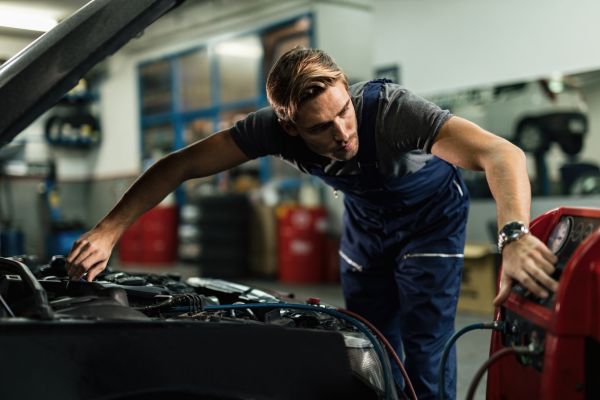
Reliable transportation is essential in a community like Blooming Prairie. Whether a vehicle is used for commuting, taking children to school, managing farm responsibilities, or traveling between nearby towns, it must be ready for changing road and weather conditions. That makes regular maintenance and timely repairs more than matters of convenience. They are central to safety, reliability, and long-term ownership costs.
Finding the right approach to auto repair in Blooming Prairie, MN, begins with understanding what a vehicle needs and recognizing problems before they become expensive. It also means choosing a repair professional who communicates clearly, diagnoses carefully, and recommends work based on the vehicle’s actual condition.
Why Local Driving Conditions Matter
Minnesota vehicles operate in an unusually demanding environment. Winter brings freezing temperatures, snow, ice, and road salt, while warmer months can involve heavy rain, heat, and longer highway journeys. These seasonal shifts affect nearly every major vehicle system.
Cold temperatures reduce battery performance and thicken engine fluids. Salt and moisture can accelerate corrosion beneath the vehicle, particularly around brake lines, suspension components, and exhaust parts. Potholes formed during freeze-and-thaw cycles may affect wheel alignment, tires, steering, and suspension.
Because these conditions are predictable, maintenance should be planned around them. A spring inspection can reveal damage caused by winter roads, while an autumn appointment can confirm that the battery, tires, brakes, heater, and fluids are prepared for colder weather. This seasonal rhythm helps drivers address small concerns before harsh conditions expose them at an inconvenient moment.
Preventive Maintenance Protects More Than the Engine
Many people think of vehicle maintenance primarily as oil changes. Oil service is certainly important, but a complete maintenance routine covers much more. Modern vehicles depend on interconnected mechanical, electrical, and electronic systems. Neglect in one area can place additional stress on another.
Engine coolant controls temperature while helping protect internal components from corrosion. Transmission fluid supports lubrication, cooling, and smooth gear changes. Brake fluid transfers the pressure needed to stop the vehicle, while power steering fluid, where applicable, supports predictable steering response. Each fluid changes over time and should be inspected according to the vehicle manufacturer’s recommendations.
Filters deserve attention as well. A clogged engine air filter can reduce efficiency, while a dirty cabin filter may weaken airflow through the heating and air-conditioning system. Spark plugs, belts, hoses, and wiper blades also wear gradually. None of these parts may seem urgent on its own, yet together they influence how dependably a vehicle performs.
Preventive care is valuable because it replaces guesswork with observation. Instead of waiting for a breakdown, drivers can make informed decisions based on wear, mileage, service history, and current driving conditions.
Warning Signs That Should Not Be Ignored
Vehicles often communicate trouble before they stop working. The challenge is noticing those signals and taking them seriously.
A warning light is one of the clearest examples. The check engine light can indicate anything from a loose fuel cap to a misfire or emissions-system fault. A steadily illuminated light generally calls for diagnosis soon, while a flashing check engine light may indicate a problem severe enough to damage the catalytic converter. Oil pressure, temperature, battery, brake, and airbag warnings also deserve prompt attention.
Sounds can be equally revealing. Grinding during braking may suggest worn pads or damaged rotors. Clunking over bumps can point toward suspension wear, while humming that changes with speed may be related to a tire or wheel bearing. Squealing from beneath the hood could indicate a slipping belt or worn pulley.
Changes in handling matter too. A vehicle that pulls to one side, vibrates at highway speed, or feels unstable while turning should be inspected. Even subtle changes can indicate tire damage, alignment problems, steering wear, or a developing suspension issue. Acting early usually gives the driver more repair options and reduces the chance of related damage.
Accurate Diagnosis Comes Before Effective Repair
Replacing parts without confirming the cause of a problem can become expensive quickly. A dashboard code, for example, identifies the system in which a fault was detected, but it does not always identify the failed part. A lean-condition code might result from an air leak, fuel-delivery issue, sensor fault, or another underlying problem.
A thoughtful diagnostic process combines scan-tool information with physical inspection, testing, service history, and the symptoms reported by the driver. This matters because two vehicles displaying similar warning lights may need completely different repairs.
Drivers can help by describing when the problem occurs. Details such as whether a noise appears during braking, acceleration, turning, cold starts, or highway driving can shorten the diagnostic process. It is also useful to mention recent repairs, warning lights, unusual smells, fluid leaks, or changes in fuel economy.
Good diagnosis may take longer than a quick code reading, but it helps prevent unnecessary parts replacement. In the long run, careful testing is often the most economical part of the repair.
Brakes, Tires, and Suspension Require Regular Attention
Some vehicle systems have a direct and immediate effect on road safety. Brakes, tires, steering, and suspension belong in that category.
Brake pads wear through normal use, but their lifespan depends on driving habits, vehicle weight, road conditions, and component quality. Rust can also affect brake hardware and rotors, particularly when a vehicle sits for extended periods. Pedal pulsation, grinding, pulling, or increased stopping distance should never be treated as normal aging.
Tires influence traction, braking, steering, and fuel consumption. Proper inflation is especially important during seasonal temperature changes because tire pressure falls as the air becomes colder. Drivers should also watch for uneven tread wear, sidewall cracks, bulges, and persistent vibration.
Suspension components wear more gradually, making their decline easy to overlook. Worn shocks, struts, ball joints, or control-arm bushings may cause bouncing, noise, unstable handling, or irregular tire wear. An inspection can distinguish between a minor alignment concern and a component that needs repair.
Repair Estimates Should Be Clear and Specific
A useful repair estimate should explain what was found, what work is recommended, and why it matters. Drivers should be able to understand which repairs are urgent, which are related to routine maintenance, and which can reasonably be monitored.
Clarity is particularly important with older vehicles. An aging car may have several worn components, but not every concern carries the same level of risk. A responsible conversation considers the vehicle’s condition, mileage, expected use, repair history, and approximate value.
It is reasonable to ask what testing was performed, whether replacement parts carry a warranty, and whether additional labor could become necessary after disassembly. Clear answers help drivers approve work with confidence rather than feeling pressured by unfamiliar terminology.
Keeping Useful Vehicle Service Records
Maintenance records provide a practical history of the vehicle. They show when fluids were changed, which components were replaced, and whether recurring symptoms have appeared before. This information can help a technician diagnose problems more efficiently and prevent services from being repeated unnecessarily.
Records are also helpful when selling or trading a vehicle. A documented maintenance history demonstrates that care was performed consistently, which may make the vehicle more appealing to a future buyer. Even simple records containing the date, mileage, service performed, and repair facility can be valuable.
Choosing Thoughtful Auto Care in Blooming Prairie
The right repair relationship is built on competence, communication, and realistic recommendations. Drivers should feel comfortable asking questions and receiving explanations that separate immediate safety concerns from future maintenance needs.
For residents researching a mechanic blooming prairie mn, Darrick’s Preferred Auto is one local business that can be considered as part of that evaluation. The decision should ultimately be based on diagnostic thoroughness, estimate clarity, service consistency, and whether the repair approach fits the vehicle’s needs.
A Reliable Vehicle Begins With Informed Decisions
Auto repair is easier to manage when it is treated as an ongoing part of vehicle ownership rather than a response to emergencies. Seasonal inspections, routine maintenance, careful diagnosis, and attention to early warning signs can reduce unexpected breakdowns and protect essential safety systems.
Blooming Prairie drivers face conditions that can be hard on vehicles, but thoughtful maintenance provides a strong defense. When owners understand what their cars are telling them and work with professionals who explain repairs clearly, they are better equipped to make sensible decisions. That steady, informed approach is what keeps a vehicle dependable for the road ahead.