
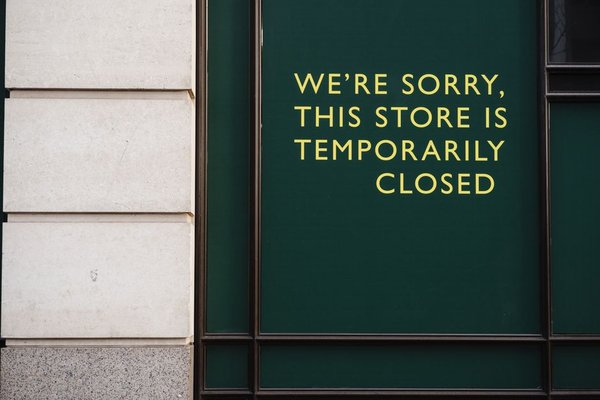
A fire, flood or major equipment failure can stop a business from trading in a matter of hours, yet the bills do not stop with it. Rent, wages, loan payments and other fixed costs may continue while revenue falls sharply. Business interruption insurance is designed to protect against that financial gap by covering insured trading losses during the period a business is recovering.
For UK firms, the important point is that cover depends on the policy wording and the event that caused the interruption. Standard business interruption insurance often follows insured physical damage, such as fire or flood. A cyberattack or stand-alone IT outage may need a specific extension or separate cyber policy, so businesses should not assume every shutdown automatically triggers a claim.
What business interruption insurance actually covers
Business interruption cover aims to place the business, financially, as close as possible to the position it would have been in had the insured event not happened. Depending on the wording, it may cover lost gross profit or income and certain additional costs needed to keep the business operating or restart it sooner.
Typical insured events can include damage to premises or equipment caused by fire, storm or flooding. Some policies may also include extensions for events such as denial of access to premises or damage affecting a key supplier or customer. The exact trigger matters because a loss of sales on its own is not usually enough; the interruption normally has to result from a peril covered by the policy.
Business interruption insurance versus property insurance
Property insurance and BI insurance solve different problems. Buildings or contents insurance may pay to repair damaged premises, machinery or stock. Business interruption insurance deals with the financial consequences of being unable to trade normally while those repairs and recovery steps take place.
Consider a bakery damaged by a kitchen fire. Property cover may help replace ovens and repair the building. BI insurance may address the lost income while the bakery is closed and, if the wording allows it, reasonable extra costs such as temporarily renting another kitchen. Without trading loss cover, the physical assets could be repaired while the business still suffers a damaging cash-flow shortfall.
How a valid claim is triggered
The cause must normally be insured
A claim usually starts with an insured event defined in the policy. That is why the schedule, policy wording and endorsements should be read together. If the business is interrupted by an event that is excluded or not listed, the BI section may not respond even if the financial loss is substantial.
The business must suffer a measurable loss
The insurer will normally need evidence showing how trading was affected. Policies may calculate claims using earlier trading periods and adjust for trends or other circumstances that would have influenced results anyway. Records such as management accounts, tax returns, sales reports, payroll information and forecasts can become important evidence.
The loss must fall within policy limits
BI policies can include financial limits, waiting periods, exclusions and a maximum indemnity period. The indemnity period is the maximum length of time the policy will compensate an insured interruption, subject to the wording and limits.
What about cyberattacks and IT outages?
Digital disruption is now central to business continuity planning. Allianz’s 2026 Risk Barometer ranks cyber incidents as the leading global business risk, while business interruption remains among the top concerns.
However, a standard BI policy does not automatically make every ransomware event, software failure or cloud outage an insured loss. The ABI notes that specialist policies are available for cyber risks, and cover may depend on specific cyber or non-damage business interruption wording. Businesses that rely heavily on technology should ask their broker exactly what happens if their own network fails, a cloud supplier goes offline or a cyberattack prevents trading.
How much cover does a business need?
The right level of cover depends on how long recovery could realistically take and how much financial loss could build up during that period.
When reviewing BI insurance UK businesses should look beyond annual revenue. Consider gross profit or income definitions in the policy, fixed costs that continue during closure, seasonal trading patterns, dependency on key suppliers, realistic rebuilding times and the cost of temporary premises or alternative working arrangements.
Steps to take before a loss happens
Keep financial records current and stored securely away from a single physical location. Review the sums insured and indemnity period each year, especially after rapid growth, major equipment purchases or changes in premises.
It also helps to connect insurance with a practical continuity plan. Identify the systems, people, suppliers and premises the business cannot operate without, then decide how trading could continue if one of them became unavailable. Useful related topics include choosing small business insurance, cyber insurance for UK businesses and creating a business continuity plan.
What to do when an interruption occurs
Notify the insurer or broker as soon as reasonably possible and follow the claims conditions in the policy. Document the incident, the steps taken to reduce losses and the effect on turnover and costs. Keep invoices for emergency expenses and temporary arrangements. Avoid making major commitments solely because you expect reimbursement; confirm with the insurer where possible that proposed mitigation costs are covered.
The FCA has repeatedly stressed the importance of policy wording in BI claims, particularly after litigation over Covid-19 interruption losses. For modern claims, the same basic lesson remains: the cause of loss, the relevant clause and the method used to calculate the loss all matter.
FAQ
Does business interruption insurance cover lost profit?
It can cover a defined loss of income or gross profit, depending on the policy. Definitions and calculation methods vary, so the wording and basis of settlement should be checked carefully.
Is business interruption insurance legally required in the UK?
Business interruption insurance is generally not a compulsory form of insurance. It is purchased to protect the business’s financial resilience, often as part of a wider commercial insurance package.
Does BI insurance cover cyberattacks?
Not automatically. Cyber-related interruption may require a cyber policy or a specific extension. Businesses should check how ransomware, network failures, cloud outages and third-party IT incidents are treated.
How long does business interruption cover last?
Cover normally applies up to the maximum indemnity period selected in the policy, subject to limits and conditions. Businesses should choose a period based on a realistic worst-case recovery timeline rather than the quickest expected repair.
Protect the income that keeps the business alive
Business interruption insurance is most valuable when it is designed around the way a company actually operates. Physical damage, supplier dependency, technology outages and recovery time can all affect whether the business survives a serious disruption. Review the insured triggers, limits and indemnity period before a crisis occurs, and make sure cyber and other non-damage risks are addressed separately where needed. The strongest protection combines appropriate insurance with accurate records and a workable continuity plan.