
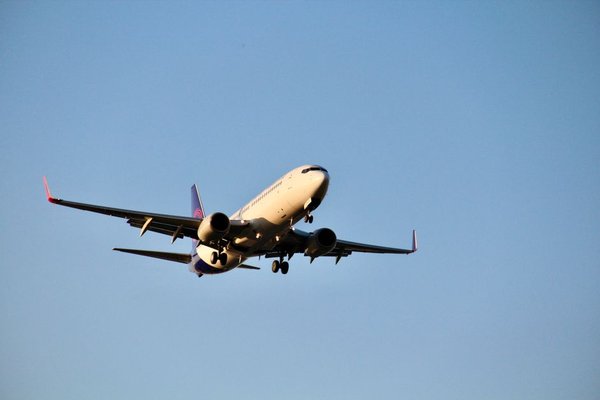
Booking a flight with a pet involves more than finding an affordable ticket. The airline might restrict larger dogs, your carrier might be too tall for the seat, or the destination might require paperwork you cannot obtain quickly. The most useful flying with pets tips begin before you pay. Treat your pet as a traveler with separate booking requirements, not as extra luggage.
Check the exact flight before buying
Airline pet policies differ by carrier, route, aircraft and season. An airline accepting animals domestically might refuse them on particular international services or partner-operated connections. Cabin spaces for pets are limited, so a pet-friendly route does not guarantee availability on your date.
Contact the airline with your proposed flight numbers. Confirm accepted species and breeds, minimum age, weight limits, carrier dimensions and reservation procedures. Ask which seats are eligible; bulkhead and exit-row seats are often excluded.
For example, suppose you book a two-airline itinerary. The first carrier accepts your small dog in the cabin, but the connecting airline does not. Checking only the first carrier’s rules could leave you stranded during the transfer. Obtain approval for every segment before buying a nonrefundable fare.
Understand how pets travel on planes
In the passenger cabin
Eligible small pets usually travel in an approved carrier under the seat in front of you. You remain nearby, but the animal generally must stay inside its carrier throughout the flight. Not every seat or aircraft can accommodate a pet carrier.
As checked pets or cargo
Some airlines transport animals in designated aircraft holds; others require a separate cargo booking. These services may have different check-in points, fees, kennels and collection procedures. Not every aircraft supports them. Seasonal temperature restrictions and breed exclusions can apply, especially to short-nosed dogs and cats that face greater breathing risks.
For larger animals, ask about pressurized, temperature-controlled compartments, transfers and cancellation procedures. Never assume that every cargo hold can safely accommodate a pet.
Choose a carrier by fit, not its label
Practical pet travel carrier tips start with measuring both the animal and the airline’s permitted space. A cabin carrier must fit beneath the specified seat while meeting the carrier’s animal-comfort rules. A cargo kennel typically must let your pet stand naturally, turn around and lie down.
Check ventilation, secure closures and a leak-resistant base. A bag advertised as “airline approved” is not universally accepted. Soft-sided cabin bags and rigid cargo kennels have different requirements, so verify the exact model and dimensions with the airline.
Buy the carrier early. Encourage your pet to enter it voluntarily at home, then practice longer stays with calm rewards. Include an absorbent liner without blocking ventilation.
Calculate the full cost before booking
Pet air travel costs extend beyond the passenger fare. Airlines may charge a one-way cabin fee or a separate cargo rate. Other expenses include an approved carrier, veterinary examination, vaccinations, health certificates, government endorsements and animal-handling services.
Ask for the total charge and pet-reservation cancellation policy in writing. If your flight changes, does the pet booking transfer? Is the fee refundable if the airline cannot accommodate your animal? A cheap ticket may become expensive once every requirement is included.
Check documents and destination rules
Some domestic flights require vaccination records or a recent health certificate. International journeys may require a microchip, rabies documentation, a destination-specific certificate, official endorsement, parasite treatment or quarantine. Rules can depend on the destination, transit location and your pet’s travel history.
For dogs entering or returning to the United States in 2026, the Centers for Disease Control and Prevention generally requires a CDC Dog Import Form receipt, a detectable microchip, an age of at least six months and a healthy appearance on arrival. Additional rules apply if a dog has been in a country classified as high risk for dog rabies during the preceding six months. Requirements also depend on where it was vaccinated. Review current CDC guidance before planning entry.
Airline boarding rules and national entry rules are separate. The destination might accept your paperwork even if the airline requests another certificate. Consult your veterinarian early; some international preparations take weeks or months.
Prepare your pet for the experience
Before flying with a dog or cat, ask your veterinarian whether travel is suitable given its age, breathing, mobility and health. Short-nosed breeds, animals with respiratory conditions and highly anxious pets need particular consideration. Do not give sedatives or human medication without veterinary direction; sedation can add risks during a flight.
Practice carrier time, short trips and familiar routines. Update your pet’s identification and microchip registration. Pack veterinary documents, any prescribed medicines, cleaning supplies and a familiar, safe liner. A pet travel packing checklist helps prevent small but troublesome omissions.
Make a travel-day plan
Arrive early for document checks. Give your pet a chance to toilet before entering the terminal and locate an animal relief area if available. Discuss meal and water timing with your veterinarian, especially for longer journeys.
At U.S. security checkpoints, travelers remove pets from carriers while the empty carriers are screened. Never put an animal through the X-ray machine. Use a secure harness if escape is a concern, and request private screening if needed. During the flight, keep the carrier closed and positioned as instructed.
For connections, confirm whether you must collect and recheck your pet, and whether there is enough time for the process. Pet-friendly airport layover planning can matter as much as overall journey length.
Recognize when another option is kinder
A nonstop cabin flight may suit one animal while a lengthy cargo itinerary is unsuitable for another. Consider ground transport or reliable pet care when health concerns, extreme weather or airline restrictions make flying risky. Planning well also means being willing to change the plan.
Frequently asked questions
Can I buy a ticket and add my pet later?
Possibly, but pet spaces are limited and advance reservations may be required. Confirm availability before buying a nonrefundable ticket.
Do airlines require health certificates?
Some do, and international destinations may require additional documents. Check each certificate’s validity window before scheduling the veterinary appointment.
Can a large dog fly in the cabin?
Ordinary pet policies generally limit cabin travel to animals in approved under-seat carriers. Trained service dogs follow different rules and should not be confused with pets.
How can I reduce my pet’s stress?
Choose a simple itinerary, practice using the carrier, maintain familiar routines and discuss anxiety or medical concerns with your veterinarian. Avoid unapproved sedatives.
Book only when the whole plan works
Verify the route, pet space, carrier, documents and complete cost together. Keep written approvals and digital records handy. Once the logistics are settled before purchase, you can focus on making the journey as comfortable as possible for your pet.