
Travel can be many things. It can be escape, education, adventure, rest, or a reset after a difficult season. But for some people, travel also becomes an opportunity to contribute. Instead of only passing through a destination, they want to participate in meaningful ways, meet communities more deeply, and leave something positive behind.
That is where Volunteer Travel enters the conversation. Done thoughtfully, it can combine exploration with service, learning with humility, and movement with purpose. Done poorly, however, it can become performative, unhelpful, or centered more on the traveler than the people being served.
This balance matters. The goal is not simply to “feel good while abroad.” The goal is to engage responsibly, respectfully, and usefully.
What Volunteer Travel Really Means
At its best, Volunteer Travel involves offering time, skills, labor, or support while visiting another place. This might include environmental conservation, language exchange, community agriculture, disaster recovery assistance, animal welfare, education support, healthcare roles for qualified professionals, or cultural preservation projects.
The most ethical forms of volunteer travel respond to real local needs and are led or guided by communities themselves.
That distinction is important. Helpful service begins with listening, not assuming.
Why People Choose to Volunteer Abroad
Many travelers are drawn to something deeper than sightseeing. They want connection beyond hotel lobbies and tourist routes. They want to understand how people live, what communities value, and what challenges or strengths shape daily life.
Others want to use existing skills while traveling. A teacher may support language learning. A carpenter may assist building projects. A conservation-minded traveler may join reforestation or marine cleanup efforts.
Sometimes the motivation is personal growth. Sometimes it is generosity. Often it is both.
The Best Opportunities Match Real Skills
One of the biggest mistakes in volunteer travel is assuming enthusiasm alone is enough. Good intentions matter, but competence matters too.
A traveler with no teaching experience may not be the best person to lead children’s education. Someone without medical credentials should never step into clinical roles. Short-term visitors with no construction background can sometimes slow projects rather than help them.
The most effective placements align your abilities with actual needs.
Ask not only “What do I want to do?” but “What am I genuinely useful at?”
Short-Term vs Long-Term Volunteering
Not all volunteer experiences are equal in structure or impact.
Short-term placements may suit travelers with limited time and can be helpful in areas like environmental cleanup, seasonal farm work, logistics support, or skill-sharing workshops. Long-term placements often allow deeper relationships, stronger continuity, and more meaningful contribution.
Some work simply requires consistency. Community trust usually takes time.
If you only have one week, it may be wiser to support financially or join practical labor efforts rather than enter sensitive community roles.
Ethical Questions Matter
Conversations around Volunteer Travel have become more thoughtful in recent years, and rightly so.
Some programs have been criticized for centering travelers, charging high fees with unclear impact, or placing untrained visitors into roles that should belong to local professionals. Others unintentionally create dependency or disrupt existing systems.
This does not mean volunteering abroad is inherently problematic. It means ethics matter.
Useful questions include:
Who asked for this help?
Who leads the project?
Would locals be better paid to do this work?
What happens when volunteers leave?
Who benefits most?
Honest reflection is part of responsible travel.
Community-Led Projects Are Usually Stronger
The healthiest volunteer opportunities are often those designed or directed by local organizations. They understand context, language, priorities, and cultural nuance in ways outsiders cannot.
External volunteers may still contribute meaningfully, but leadership rooted in the community usually creates better long-term outcomes.
Look for projects where local voices are central rather than symbolic.
Service should strengthen local agency, not overshadow it.
Popular Areas of Volunteer Travel
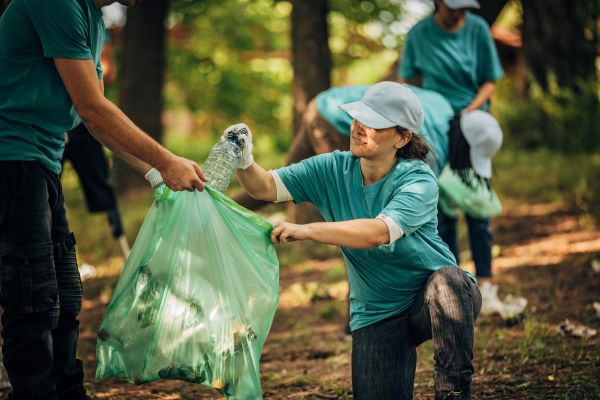
Environmental conservation remains one of the most common pathways. Beach cleanups, wildlife habitat support, reforestation, trail restoration, and sustainable farming projects often welcome practical help.
Education support can be meaningful when done responsibly, especially language exchange, tutoring assistance, or teacher support roles.
Community development projects may include infrastructure maintenance, food distribution, logistics, or event support.
Animal welfare opportunities also attract travelers, though standards vary greatly and should be researched carefully.
Research Before You Commit
Beautiful websites and emotional marketing do not guarantee quality programs.
Read independent reviews. Search for transparency about fees, accommodation, responsibilities, safety practices, and measurable outcomes. Ask who supervises volunteers. Ask what a normal day actually looks like.
Be cautious of programs that promise life-changing impact through minimal effort or dramatic imagery.
Meaningful work is usually less glamorous and more grounded than advertisements suggest.
Prepare for Cultural Humility
Traveling to help does not make someone an expert. In fact, it often reveals how much we do not know.
Different communities may organize time, communication, leadership, hospitality, privacy, and problem-solving differently. Entering with humility matters more than entering with certainty.
Observe before advising. Ask before changing. Learn before leading.
Respect travels farther than confidence.
Practical Realities to Expect
Volunteer travel can be rewarding, but it may also be tiring, uncomfortable, and less cinematic than imagined.
Accommodation may be basic. Schedules may shift. Language barriers can frustrate. Progress may feel slow. Emotional complexity can arise when encountering poverty, inequality, or environmental damage firsthand.
This does not mean the experience failed. Often, real service is less polished than curated travel content suggests.
Growth usually includes discomfort.
How to Contribute Beyond Physical Presence
Sometimes the most helpful support does not require traveling at all. Remote fundraising, donating specialized equipment, offering online mentoring, design support, language tutoring, grant writing, or technical skills can be more valuable than short-term travel.
Physical presence is not always the highest form of help.
This perspective can be freeing and honest.
What You May Gain Personally
Though service should not be self-centered, travelers often do grow through these experiences.
They may become more adaptable, grateful, culturally aware, and reflective about privilege or lifestyle assumptions. They may form lasting friendships or discover work they care about deeply.
Still, personal growth is a byproduct, not the mission.
When helping becomes mainly about the helper, something important gets lost.
Returning Home Responsibly
The trip does not end at the airport. Thoughtful travelers continue supporting causes they encountered, share experiences respectfully, avoid reducing communities to stereotypes, and remain engaged where possible.
Sometimes the most meaningful chapter begins after returning home.
Travel can widen responsibility if we let it.
Conclusion
Volunteer Travel can be powerful when approached with humility, realism, and genuine respect. It offers a chance to connect more deeply with the world while contributing skills, labor, or support where it is truly useful. But good intentions alone are not enough. Ethics, preparation, and community leadership matter.
The best volunteer journeys are rarely about saving anyone or collecting dramatic stories. They are about showing up carefully, learning honestly, helping where appropriate, and leaving with more understanding than ego. In that form, travel becomes something richer than movement—it becomes participation.